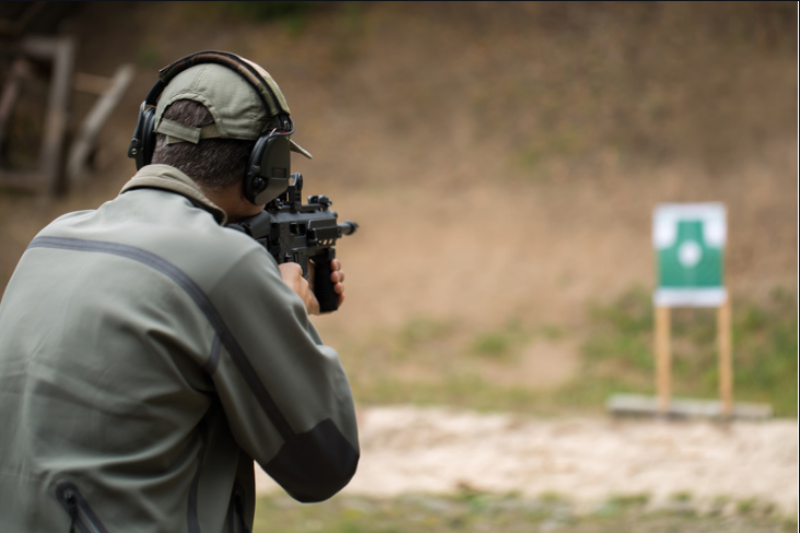
First Aid in a Tactical Environment

3 images of various types of course offered

Key Topics Covered:

- Managing injuries in tactical or high-risk environments
- Controlling life-threatening bleeding with tourniquets and wound packing
- Treating airway and breathing emergencies
- Prioritizing care in multi-casualty situations
- Ensuring personal and scene safety in dynamic scenarios

Who Should Enroll?

This course is ideal for law enforcement, military personnel, first responders, and civilians seeking advanced first aid skills tailored to challenging and tactical environments.


Certification: Participants will receive a certificate of completion upon successfully demonstrating the required skills.


Duration: Approximately 7-8 hours (varies by class size and participant needs)


Format: In-person, hands-on training


Gain the confidence and skills to act decisively in life-threatening situations and provide care in tactical environments!

NOTE:  This course MAY be subject to cancellation 48-72 hours prior to the start of the course if the minimum required student number has not been met.
Enroll Today

Take the first step towards a rewarding career in the private security industry by enrolling in one of our comprehensive training programs. At Guardian Training Center, we are committed to empowering you with the knowledge and skills needed to excel in your career. Learn more about our courses and book your training today.

8 hour - $199

Latest News & Articles

What Makes Hands-On Firearms Training Different? Inside Our Basic Pistol for the Armed Professional Course

Guardian Training Center's Basic Pistol for the Armed Professional course helps beginners build safe firearm handling, marksmanship, and duty holster skills through classroom and supervised live-fire training. The course provides a practical foundation for security professionals preparing to advance toward BSIS Exposed Firearms Certification.

Solo Travel, Evening Commutes, and Everyday Life: Practical Situational Awareness Tips That Anyone Can Use

Situational awareness helps people stay present, recognize changes in their surroundings, and make safer choices during travel, commutes, and daily routines. Simple habits like limiting distractions, noticing exits, scanning your surroundings, and trusting your instincts can build confidence over time.

The Difference Between Being Certified and Being Prepared

Certification proves that training was completed, but real preparedness comes from consistent practice, situational awareness, and skills that remain usable under stress. Scenario-based training and everyday safety habits can help students and young adults turn knowledge into lasting readiness.

Ready to Get Started?

Join our training programs and enhance your skills today.