ASP Be Your Own Defender (BYOD)

3 images of various types of course offered

The ASP Be Your Own Defender course is a dynamic, hands-on training experience designed to empower individuals to take control of their personal safety. This course provides practical skills and strategies for recognizing, avoiding, and responding to threats, emphasizing situational awareness, conflict de-escalation, and effective self-defense techniques.


Key Topics Covered:

- Understanding personal safety and situational awareness
- Recognizing and responding to potential threats
- Strategies for de-escalation and conflict avoidance
- Practical self-defense techniques for common scenarios
- Legal and ethical considerations of self-defense

Who Should Attend?

This course is ideal for anyone seeking to enhance their personal safety skills, including professionals, students, community members, and those new to self-defense. No prior experience is required.

Duration: Approximately 3-4 hoursFormat: In-person, interactive training with hands-on practice
Take charge of your safety and learn to Be Your Own Defender!

‍

Enroll Today

Take the first step towards a rewarding career in the private security industry by enrolling in one of our comprehensive training programs. At Guardian Training Center, we are committed to empowering you with the knowledge and skills needed to excel in your career. Learn more about our courses and book your training today.

2-3 hours - $100 (includes 9-piece training kit and live Defender pepper spray worth $100)

Latest News & Articles

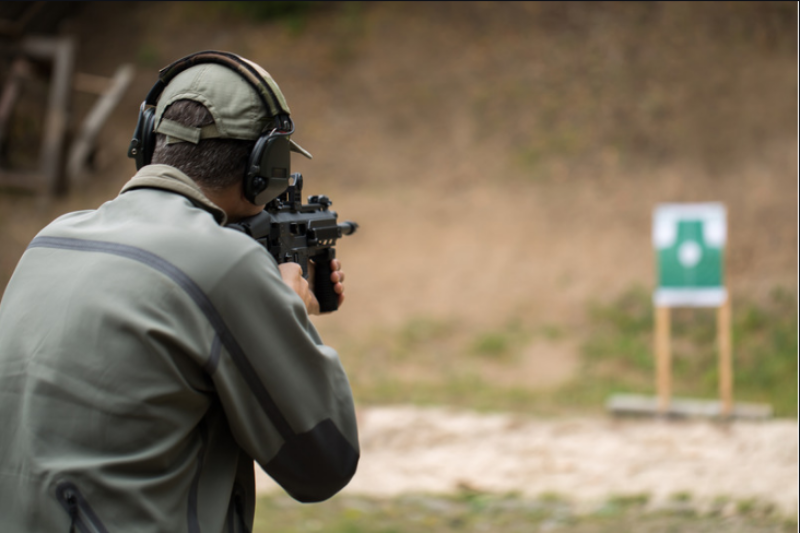
What Makes Hands-On Firearms Training Different? Inside Our Basic Pistol for the Armed Professional Course

Guardian Training Center's Basic Pistol for the Armed Professional course helps beginners build safe firearm handling, marksmanship, and duty holster skills through classroom and supervised live-fire training. The course provides a practical foundation for security professionals preparing to advance toward BSIS Exposed Firearms Certification.

Solo Travel, Evening Commutes, and Everyday Life: Practical Situational Awareness Tips That Anyone Can Use

Situational awareness helps people stay present, recognize changes in their surroundings, and make safer choices during travel, commutes, and daily routines. Simple habits like limiting distractions, noticing exits, scanning your surroundings, and trusting your instincts can build confidence over time.

The Difference Between Being Certified and Being Prepared

Certification proves that training was completed, but real preparedness comes from consistent practice, situational awareness, and skills that remain usable under stress. Scenario-based training and everyday safety habits can help students and young adults turn knowledge into lasting readiness.

Ready to Get Started?

Join our training programs and enhance your skills today.