

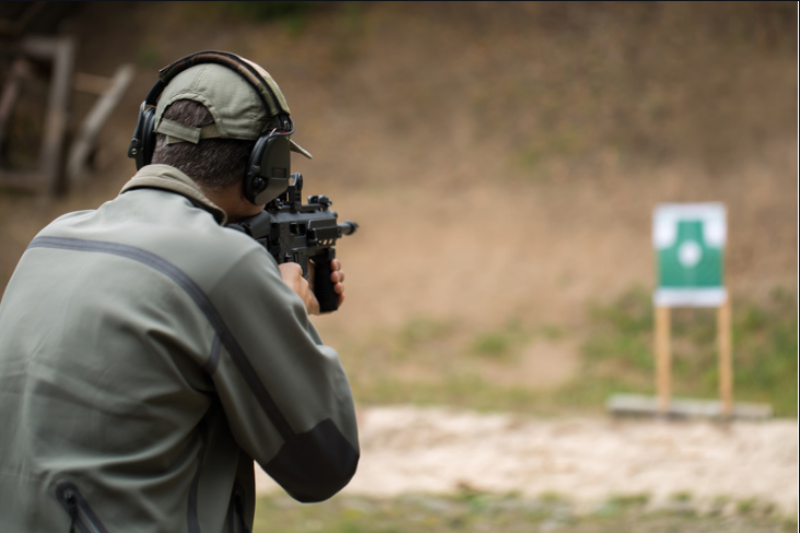
Plenty of people assume they understand firearms because they have watched enough videos or read enough manuals. Then they hold a pistol for the first time under actual pressure, and everything they thought they knew gets tested. Reading about a trigger press is nothing like feeling recoil travel through your hands while your body still has to stay steady and your eyes still have to find the sights.
That gap between knowledge and skill is exactly why hands-on, live-fire training matters so much for anyone entering armed security work. Guardian Training Center built the Basic Pistol for the Armed Professional course, known as BPAP, to close that gap early. It gives new firearms students the structured repetition they need before they ever carry professionally.
What Is the Basic Pistol for the Armed Professional Course?
BPAP is a foundational firearms course for people who are new to handguns and pursuing a career in armed security. It blends classroom instruction with real range time, so students leave with both the reasoning and the physical skill behind safe pistol handling.
Course Overview and Purpose
BPAP is a 16-hour program built specifically for novice and beginner firearms students. The course covers firearm safety, handling, marksmanship fundamentals, and the correct use of an exposed duty holster. Every part of the curriculum is designed with security work in mind, not general recreational shooting.
Students do not need any prior firearms experience to enroll. Many arrive having never held a handgun before, much like the students in our introduction to handgun class. That starting point shapes how the course is taught, with instructors building skills step by step rather than assuming a baseline.
Who This Course Is Designed For
BPAP is intended for a specific group of people:
- Security professionals who are new to firearms and want a solid foundation
- Guard card holders preparing to pursue an armed role
- Anyone planning to take the BSIS Exposed Firearms Certification Course who wants confidence going in
- Individuals who want structured, supervised range experience before committing to armed duty
How BPAP Fits Into the Certification Pathway
BPAP acts as a bridge toward full BSIS Exposed Firearms Certification. That certification is what ultimately authorizes a security professional to carry a firearm on duty in California. Completing BPAP first gives students a chance to build skill and confidence before facing the higher-stakes certification course. If you want the full picture of how the courses stack, we mapped it out in your path through GTC's firearm training courses.
A Practical Incentive Built Into the Pathway
Students who complete BPAP receive a class certificate that qualifies them for a discounted rate on the BSIS Exposed Firearms Certification Course. That discount applies as long as registration happens within 90 days of finishing BPAP.
Why Hands-On, Live-Fire Training Matters
The Gap Between Knowledge and Skill
Understanding the four rules of firearm safety is one thing. Applying them automatically while your hands are shaking slightly and your heart rate is up is another. Many new students don't realize how different those two experiences feel until they are standing on a range.
Reading about proper grip and stance builds awareness. Actually adjusting your grip in response to an instructor's real-time feedback builds skill. BPAP is structured around that distinction, treating live practice as the point where real learning happens.
What Live-Fire Range Time Actually Builds
Live-fire training develops physical and mental skills that no simulation or lecture can fully replicate. On the range, students build:
- Muscle memory for grip, stance, and trigger control
- Recoil management through repeated, guided practice
- Follow-through habits that keep shots consistent
- Confidence that comes specifically from performing the skill, not just discussing it
Myth vs. Fact: Classroom Instruction Versus Live Range Practice
Myth: Classroom instruction alone is enough to prepare someone to carry a firearm.
Fact: Classroom instruction builds necessary knowledge, but physical skills like grip, trigger control, and recoil management can only be developed through actual practice.
Myth: Simulators can fully replace live-fire range time for foundational training.
Fact: Simulators are valuable tools for certain scenarios and requalification, but foundational courses like BPAP rely on live fire to build real trigger-to-target experience.
Myth: Beginners should skip structured pistol basics and go straight into certification training.
Fact: Starting with a foundational course like BPAP gives new students a controlled environment to build fundamentals before facing the pace of certification-level training. We made the same case in why Basic Pistol for the Armed Professional is a must.
Inside the BPAP Curriculum
Firearm Safety and Handling Fundamentals
Every session begins with the fundamentals of firearm safety. Students learn how to safely load, unload, holster, and pass a firearm. These habits are reinforced constantly throughout the course, not just covered once and left behind.
Fundamentals of Marksmanship
Students learn the core mechanics behind accurate shooting, including stance, grip, sight alignment, and trigger control. Instructors break each skill into manageable steps. This keeps beginners from feeling overwhelmed while still building toward real proficiency.
Dry Practice Before Live Fire
Before live ammunition ever comes into play, students practice dry fire drills. This step lets them build proper trigger control and sight picture without the added variable of recoil. It is a low-pressure way to develop good habits that carry directly into live-fire performance.
Live Fire Range Training
Live fire is where the course comes together. Students apply everything from safety rules to marksmanship fundamentals while shooting under instructor supervision. This is the portion of training that builds the confidence and competence security professionals actually need on duty.
Legal and Moral Considerations for Armed Professionals
Handling a firearm safely is only part of the responsibility. Students also cover the legal and moral aspects of carrying and potentially using a firearm in a security role. This context matters just as much as physical skill, since armed professionals operate under real legal accountability.
Proper Use of an Exposed Duty Holster
BPAP includes specific instruction on using an exposed duty holster, which differs from concealed carry setups. Students practice drawing, holstering, and carrying safely in a way that mirrors real security duty conditions.
What a Day of Training Looks Like
Quick Takeaway: A BPAP session moves from classroom instruction into supervised live-fire practice, with instructors adjusting pace based on each student's progress.
The day typically opens with classroom instruction covering safety rules, legal considerations, and marksmanship fundamentals. From there, students move into dry practice to reinforce technique before ammunition enters the picture. Instructors keep groups small enough to give individual feedback throughout the process.
Once students demonstrate solid fundamentals, the group transitions to the range for live fire. Instructors stay close, correcting grip, stance, or trigger control as needed. The goal is steady, guided progress rather than rushing students through material they haven't absorbed yet.
Why This Foundation Matters for Long-Term Security Careers
Building Confidence Before Advancing to BSIS Firearms Certification
Students who complete BPAP walk into BSIS Exposed Firearms Certification with real range experience already behind them. That familiarity reduces the pressure of learning basic mechanics and certification requirements at the same time. It lets them focus on meeting the certification's specific standards instead.
Skills That Carry Into Real-World Armed Duty
The habits built during BPAP, like consistent safety checks and proper holster use, are not classroom exercises. They are the same behaviors expected of armed professionals every time they're on duty. Building them early, in a controlled setting, makes them second nature later.
Training as an Ongoing Skillset, Not a One-Time Milestone
Firearms proficiency is not something you earn once and keep forever. Skills fade without practice, which is part of why BSIS requires ongoing requalification for licensed armed professionals. BPAP is best understood as the starting point of a long-term commitment to skill maintenance, not a box to check.
Training That Prepares You for the Real Thing
There is a real difference between someone who has learned about firearms and someone who has trained with one under supervision. That difference shows up in how a person handles pressure, follows safety protocols without hesitation, and carries themselves with earned confidence rather than assumed confidence.
Guardian Training Center built BPAP around that difference. It gives new firearms students a real foundation, built through actual repetition, before they take on the responsibility of armed security work.
Start Building Your Firearms Foundation With GTC
If you're preparing for a career in armed security, BPAP is a practical place to start. Guardian Training Center offers this course at our San Leandro training facility, with small groups and hands-on instructor guidance throughout. Reach out with any questions or enroll directly online.
- Address: 2333 Verna Court, San Leandro, CA
- Phone: 510-626-4940
- Email: info@guardiantc.com
- Enroll: View upcoming class dates
Follow Guardian Training Center for Course Updates
- Facebook: Guardian Training Center on Facebook
- LinkedIn: Guardian Training Center on LinkedIn


.svg)