

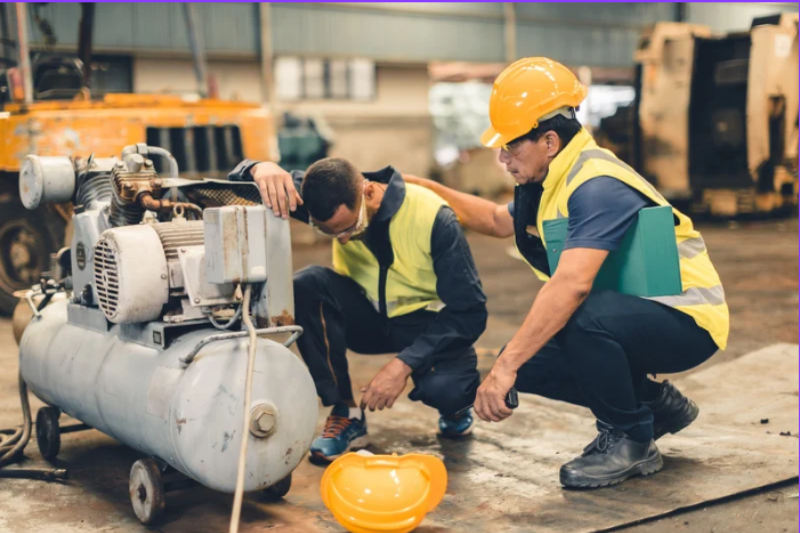
Security professionals operate in environments where uncertainty is part of the job. Whether assigned to corporate offices, healthcare facilities, retail environments, or large public events, they are often the first individuals to respond when something goes wrong. Their role extends beyond observation and enforcement—they are critical to immediate response and stabilization during emergencies.
In high-risk situations, the first few minutes are often the most important. Injuries can escalate quickly, and delays in care can have serious consequences. Before paramedics or emergency responders arrive, security personnel are frequently the only ones in a position to take action.
Despite this responsibility, many professionals are not fully prepared to manage traumatic injuries in dynamic and potentially dangerous environments. Traditional first aid training provides a foundation, but it does not always address the complexities of real-world security scenarios where threats may still be present.
Tactical first aid fills this gap by combining emergency medical skills with situational awareness and safety considerations. It equips security professionals with the ability to respond effectively, protect themselves, and deliver life-saving care when it matters most.
Understanding Tactical First Aid
Definition of Tactical First Aid
Tactical first aid is a specialized approach to emergency medical care designed for high-risk and unpredictable environments. It emphasizes the ability to provide care while maintaining awareness of potential threats.
- Key elements include:
- Providing care in unstable or evolving situations
- Balancing medical response with personal safety
- Acting quickly under pressure
Unlike traditional methods, tactical first aid prepares individuals to operate effectively even when conditions are not fully controlled.
Difference Between Traditional First Aid and Tactical First Aid
While both forms of training aim to save lives, their applications differ significantly.
- Traditional First Aid
- Assumes a safe and controlled environment
- Follows a structured, step-by-step approach
- Focuses on stabilization until help arrives
- Tactical First Aid
- Operates in dynamic or potentially dangerous settings
- Requires rapid decision-making and adaptability
- Integrates threat assessment with medical care
This distinction is essential for security professionals who must often manage both safety risks and medical emergencies simultaneously.
Core Principles of Tactical First Aid
Tactical first aid is built on principles that prioritize both survival and safety in high-pressure situations.
- Scene Safety First
- Ensuring the responder is not exposed to ongoing threats
- Rapid Intervention
- Addressing life-threatening injuries immediately
- Prioritization of Care
- Focusing on the most critical conditions first, such as severe bleeding or airway obstruction
- Adaptability
- Adjusting actions based on changing conditions and threats
Training programs like those offered by Guardian Training Center emphasize these principles through hands-on, scenario-based learning designed for real-world application .
Why Tactical First Aid Is Essential for Security Professionals
First Responders Before First Responders Arrive
Security professionals are often the first individuals on the scene when an incident occurs. Their ability to act quickly can significantly impact outcomes.
- Responsibilities include:
- Assessing the situation immediately
- Providing initial medical care
- Stabilizing individuals until emergency services arrive
Without proper training, valuable time can be lost. Tactical first aid ensures that security personnel are ready to respond without hesitation.
High-Risk Nature of Security Roles
Security roles inherently involve exposure to unpredictable and sometimes dangerous situations. Professionals must be prepared for a wide range of incidents.
- Common risks include:
- Violent encounters or active threats
- Workplace accidents and injuries
- Medical emergencies in crowded or high-traffic areas
Tactical first aid prepares individuals to handle these situations while maintaining control and composure.
Bridging the Gap Between Incident and Medical Response
In many emergencies, there is a critical window between the occurrence of an incident and the arrival of medical professionals.
- Tactical first aid helps to:
- Reduce response time
- Prevent injuries from worsening
- Increase the likelihood of survival
By equipping security personnel with emergency medical skills, organizations ensure that immediate care is available when it is needed most.
Types of Emergencies Security Professionals May Encounter
Traumatic Injuries
Security professionals are often exposed to situations where traumatic injuries can occur suddenly and without warning.
- Examples include:
- Severe bleeding from lacerations or puncture wounds
- Injuries resulting from physical altercations
- Gunshot or blunt force trauma
- Tactical first aid training focuses on:
- Rapid bleeding control using tourniquets
- Wound packing techniques
- Applying direct pressure effectively
These interventions are critical, as uncontrolled bleeding is one of the leading causes of preventable death in emergencies.
Medical Emergencies
Not all incidents involve external threats—many require immediate medical attention due to health-related issues.
- Common scenarios:
- Cardiac arrest or heart-related events
- Breathing difficulties or respiratory failure
- Seizures, strokes, or sudden illness
- With proper training, security professionals can:
- Perform CPR and use AEDs
- Recognize early warning signs
- Stabilize individuals until advanced care arrives
This capability turns security personnel into valuable first responders in everyday situations.
Mass Casualty Incidents
Mass casualty events present complex challenges that require quick thinking and efficient resource management.
- Key challenges:
- Multiple victims with varying levels of injury
- Limited time and resources
- High-stress, chaotic environments
- Tactical training teaches:
- How to prioritize care through triage
- Managing multiple patients simultaneously
- Coordinating with emergency responders
These skills are essential for maintaining order and maximizing survival rates during large-scale incidents.
Environmental and Workplace Injuries
Security professionals often operate in diverse settings, each with its own risks.
- Potential hazards include:
- Slips, falls, and physical injuries
- Burns or exposure to hazardous materials
- Accidents in industrial or construction environments
- Tactical first aid prepares responders to:
- Adapt to different environments
- Address injuries specific to the setting
- Maintain safety while providing care
This versatility ensures that security teams are ready for any situation they may encounter.
Key Skills Developed Through Tactical First Aid Training
Bleeding Control Techniques
One of the most critical components of tactical first aid is the ability to control life-threatening bleeding quickly and effectively. In high-risk environments, this skill alone can mean the difference between life and death.
- Core bleeding control skills include:
- Proper application of tourniquets
- Wound packing for deep injuries
- Use of direct pressure to stop blood flow
- Why it matters:
- Severe bleeding can become fatal within minutes
- Immediate intervention significantly increases survival rates
- Security professionals are often first on scene, making rapid response essential
Training emphasizes repetition and real-world scenarios to ensure these techniques can be performed confidently under pressure.
Airway and Breathing Management
Maintaining an open airway and ensuring proper breathing are fundamental to survival in any emergency.
- Key skills include:
- Recognizing airway obstructions
- Assisting individuals with breathing difficulties
- Managing respiratory emergencies in high-stress environments
- Practical application:
- Supporting victims of trauma or medical distress
- Responding to choking or unconscious individuals
- Stabilizing patients until advanced care arrives
Security professionals trained in these techniques can act quickly to prevent further complications.
Situational Awareness in Medical Response
Tactical first aid requires more than medical knowledge—it demands constant awareness of the surrounding environment.
- Key components:
- Monitoring for ongoing or secondary threats
- Positioning safely while providing care
- Balancing attention between the patient and the environment
- Benefits:
- Reduces risk to the responder
- Ensures safer and more effective care
- Allows for quicker adaptation to changing conditions
This dual focus is what separates tactical first aid from traditional approaches.
Decision-Making Under Stress
High-pressure situations require fast, confident decision-making. Tactical first aid training helps professionals develop the mental resilience needed to act effectively.
- Training builds:
- Critical thinking in chaotic environments
- Ability to prioritize actions quickly
- Confidence in executing life-saving techniques
- Real-world impact:
- Reduced hesitation during emergencies
- Improved coordination with team members
- Greater control over rapidly evolving situations
These skills ensure that security professionals can perform when it matters most.
The Impact of Tactical First Aid on Safety and Outcomes
Saving Lives Through Immediate Action
The primary goal of tactical first aid is to preserve life through rapid intervention.
- Immediate benefits include:
- Faster response to critical injuries
- Stabilization of patients before EMS arrival
- Increased survival rates in traumatic incidents
Security professionals equipped with these skills become a vital link in the chain of survival.
Reducing Severity of Injuries
Early and effective care can significantly reduce the long-term impact of injuries.
- Positive outcomes:
- Prevention of complications
- Reduced recovery times
- Lower risk of permanent damage
Even simple interventions, when performed correctly and quickly, can dramatically improve patient outcomes.
Enhancing Overall Workplace Safety
A trained security team contributes to a safer and more prepared environment for everyone.
- Organizational benefits:
- Increased confidence among employees and visitors
- Stronger emergency response capabilities
- Reinforced culture of safety and preparedness
When teams are prepared, the entire workplace benefits from a heightened sense of security.
Preparedness Saves Lives
Security professionals need more than awareness—they need the skills to act decisively in life-threatening situations. Guardian Training Center offers comprehensive tactical first aid and security training programs designed to prepare individuals for real-world emergencies.
Our hands-on courses focus on practical application, equipping participants with essential emergency medical skills such as bleeding control, airway management, and decision-making under pressure. With experienced instructors and scenario-based training, your team will gain the confidence needed to respond effectively in high-risk environments.
We offer flexible, on-site training options to ensure your organization receives high-quality instruction with minimal disruption to daily operations. Whether you’re training a corporate security team, healthcare staff, or event personnel, our programs are tailored to meet your specific needs.
Contact Guardian Training Center today to get started:
- Address: 2333 Verna Court, San Leandro, CA
- Phone: 510-626-4940
- Email: info@guardiantc.com
- Website: https://www.guardiantc.com/contact


.svg)