

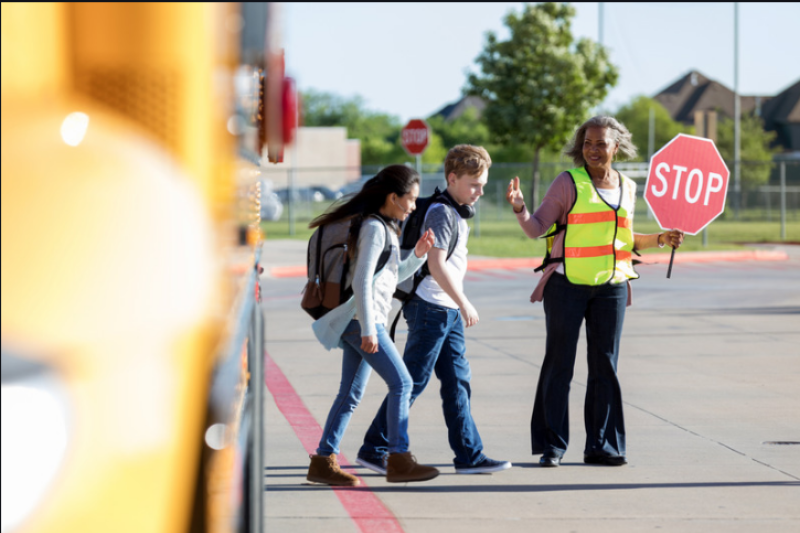
There is a particular kind of energy that shows up every August. New backpacks, new schedules, new dorm rooms, and for a lot of families, a new level of independence that feels exciting and a little nerve wracking at the same time. Whether you are dropping off a kindergartner for the first time or moving your college freshman into a shared apartment three states away, the start of the school year changes daily routines in ways that are easy to underestimate.
Those changes create real opportunities to build stronger habits around awareness and safety. Students are navigating unfamiliar buildings, new transportation routes, and new social situations. Parents are adjusting to less visibility into their child's day. Young adults are often managing full independence for the first time in their lives. None of this requires alarm. It simply calls for a few practical habits that make everyone a little more prepared.
Situational Awareness Basics Every Student Should Know
The Habit of Scanning a Space
One of the simplest awareness habits is a quick scan whenever entering a new environment. This does not need to be dramatic or obvious. It is a brief moment of noticing exits, noticing people, and noticing anything that feels unusual.
Helpful scanning habits include:
- Identifying at least one exit when entering a classroom, library, or event space
- Noticing who else is in a room or hallway, especially in quieter buildings
- Paying attention to lighting, especially in stairwells or parking structures
- Checking for unusual behavior, like someone lingering without a clear reason
Trusting Instinct Without Overthinking It
Most people have a built-in sense for when something feels wrong, even if they cannot immediately explain why. Ignoring that instinct is common, especially when someone does not want to seem rude or overly cautious.
Students benefit from learning to trust that instinct early. If a situation feels off, moving toward a well-lit area, a group of people, or a known safe space is a reasonable response. There is no need to justify the decision to anyone else.
Managing Distraction
Phones, headphones, and constant notifications make it easy to walk through the world with reduced awareness. This is especially true for students juggling class schedules, group chats, and social media all at once.
Simple habits that reduce distraction include:
- Keeping one earbud out while walking alone at night
- Looking up from a phone when crossing streets or entering parking lots
- Saving texting or scrolling for well-lit, populated areas rather than isolated ones
Campus and Commute Safety for College Students and Young Adults
Walking to Class, the Library, or Parking Lots After Dark
Evening hours on a college campus can feel very different from daytime hours. Fewer people are around, lighting can be inconsistent, and paths that felt normal in September can feel unfamiliar by November when the sun sets earlier.
Practical habits for evening walks include:
- Sticking to well-lit, well-traveled paths rather than shortcuts through less visible areas
- Using campus safety escort services when available
- Keeping keys or a phone easily accessible before reaching a car or building entrance
- Walking with confidence and purpose, which is itself a deterrent
Public Transportation and Rideshare Awareness
Many college students and young adults rely on buses, trains, or rideshare apps to get around. Each of these comes with its own awareness considerations.
Helpful habits include:
- Waiting in well-lit, populated areas rather than empty platforms or curbs
- Confirming a rideshare driver's name, photo, and license plate before entering the vehicle
- Sharing trip details with a friend or family member, especially for late-night rides
- Sitting near the driver or conductor when riding public transit alone
Dorm and Apartment Safety Habits
Shared living spaces introduce a different set of awareness needs. Roommates, guests, and building access all play a role in daily safety.
Reasonable habits include:
- Locking doors and windows consistently, even for quick errands
- Avoiding propping open exterior doors for convenience
- Knowing basic information about roommates and their guests
- Keeping emergency contacts and building security numbers easily accessible
Safety in Numbers and Buddy Systems
Group settings naturally reduce risk. Walking with friends, coordinating rides home from social events, and checking in with each other after nights out are simple, low-effort habits that make a meaningful difference.
College students in particular benefit from establishing buddy systems early in the semester, before late nights and packed schedules make it harder to plan ahead.
Guidance for Parents of K-12 and College-Bound Students
Talking to Younger Kids About Awareness Without Scaring Them
Parents of younger children often want to build safety habits without introducing fear. This is possible with simple, age-appropriate language focused on noticing and problem solving rather than danger.
Helpful approaches include:
- Teaching kids to identify a trusted adult in any new environment
- Practicing simple scenarios, like what to do if they get separated from a group
- Reinforcing that noticing their surroundings is a normal, helpful habit rather than a sign that something bad is likely to happen
Preparing Teens and Young Adults for More Independence
Older teens and young adults are often navigating more freedom than ever before, whether that means driving themselves to school, managing a part-time job, or preparing for college. Parents can support this transition with direct, practical conversations rather than general warnings.
Useful topics include discussing realistic scenarios involving transportation, social situations, and personal boundaries.
Conversations to Have Before Move In Day or the First Day of School
The days leading up to a big transition are a natural opportunity for a focused conversation. Parents do not need to cover everything at once. A few clear points tend to stick better than a long list.
Consider covering:
- How to reach family quickly in an emergency
- What to do if a living situation or social situation feels unsafe
- Basic personal safety habits for a new campus, neighborhood, or commute
Building Confidence Through Practice, Not Just Information
Why Knowing Tips Isn't the Same as Being Prepared
Reading a list of safety tips is a helpful starting point, but real confidence comes from practice. Knowing that you should scan a room or trust your instincts is different from actually doing it under pressure or in an unfamiliar setting.
This is why hands-on training tends to produce better outcomes than information alone. Repetition builds muscle memory, both mentally and physically.
How Scenario Based Training Reinforces Real Habits
Scenario based training gives students the chance to practice awareness and response in a controlled, supportive environment. Instead of simply hearing about what to do, participants work through realistic situations and build confidence in real time.
This kind of practice tends to stick. It shifts safety from something abstract into something familiar and manageable.
GTC's Be Your Own Defender Program as a Resource for Students and Young Adults
Guardian Training Center's Be Your Own Defender (BYOD) program was built for exactly this kind of preparation. The course blends situational awareness, threat recognition, de-escalation, and practical self-defense strategies into a single, approachable training experience.
BYOD is especially useful for college students navigating dorm life, late-night study sessions, and unfamiliar commutes. Many students report feeling calmer and more capable in everyday situations after completing the training, not because they expect trouble, but because they know how to respond if it happens.
Awareness as a Lifelong Habit
Situational awareness is not a skill that expires once the first week of school ends. It becomes part of how a person moves through the world, whether they are walking across campus, commuting home from a night class, or navigating a new city years down the road. The habits built during this transition tend to carry forward into every stage of life that follows.
For parents, this season is also a reminder that safety conversations work best as ongoing dialogue rather than a single talk. For students and young adults, it is an invitation to treat awareness as a normal part of daily life, something practiced consistently rather than remembered only in moments of uncertainty. Confidence grows from repetition, and repetition starts with a decision to begin.
Build Real Confidence With Hands-On Training
Guardian Training Center offers hands-on, instructor-led training that helps students, young adults, and families build practical safety skills for real situations. Our Be Your Own Defender program combines situational awareness, self-defense fundamentals, and confidence-building instruction in a supportive, approachable environment.
Whether you are preparing for a first semester away from home or looking to strengthen your own awareness habits, our instructors are ready to help. Browse upcoming course dates and register today.
📞 510-626-4940 🌐 guardiantc.com

.png)

.svg)