

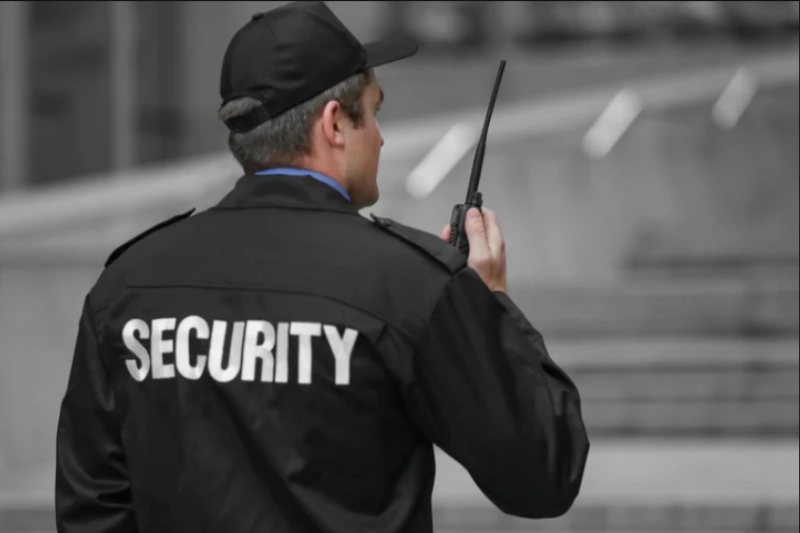
Summer in California is no joke. Temperatures across the Bay Area regularly climb into the 90s, and for security professionals working outdoor posts, fixed perimeters, or extended shifts in the heat, those conditions don't pause because the job doesn't. You still have a post to cover, a crowd to read, and a team to look out for.
Working in the heat is one of those challenges that looks manageable from the outside and becomes something else entirely by hour five of a summer shift. The physical toll is real, but it's the cognitive side that catches most people off guard. Heat doesn't just make you uncomfortable. Over time, it slows your thinking, narrows your focus, and chips away at the sharp edge that good security work depends on.
The good news is that every risk covered in this post is something you can prepare for. Heat stress, fatigue, compromised situational awareness, and poor hydration habits are all trainable problems. Professionals who understand what's happening in their bodies and environments are the ones who stay sharp when conditions get hard.
Heat Stress: What It Really Does to Your Body on the Job
Heat Exhaustion vs. Heat Stroke
Heat exhaustion develops gradually when the body loses too much fluid and salt through sweating. Symptoms include heavy sweating, weakness, cold or pale skin, a fast but weak pulse, nausea, and possible fainting. At this stage, moving to a cool environment, hydrating, and resting can turn things around fairly quickly.
Heat stroke is a medical emergency. The body's temperature regulation system has failed, sweating may stop entirely, and the skin becomes hot and red. Confusion, slurred speech, and loss of consciousness can follow. This requires calling 911 immediately.
Why Security Work Amplifies the Risk
Security professionals don't always have the option to step into air conditioning when temperatures spike. Add body armor, duty belts, or layers of uniform to the equation, and your body is working significantly harder than someone in the same heat without gear. Physical exertion during high-alert moments, running a perimeter, managing a crowd, or responding to an incident, compounds that heat load fast.
- Heat-related illness is an occupational hazard, not a weather inconvenience
- Employers and security managers carry liability when conditions are not properly managed
- OSHA guidelines on heat illness prevention apply to security operations, especially outdoor assignments
Fatigue on Duty: When Heat Drains More Than Your Energy
Physical Fatigue vs. Cognitive Fatigue
Most people understand that heat makes them physically tired. Fewer people recognize how quickly sustained heat exposure degrades cognitive performance. Reaction time slows. Decision-making gets sloppy. Threat recognition that would normally be automatic takes longer, or gets missed entirely.
For security professionals, that cognitive edge is not optional. It is the job.
What Fatigue Looks Like at the Four-Hour Mark
Extended shifts in summer heat create a predictable pattern:
- The first hour or two feel manageable
- By hour three or four, small irritabilities, slower scanning habits, and reduced attention to perimeter detail start showing up
- By hour five or six without proper hydration and rest breaks, the brain is operating at a measurable deficit
Managing Fatigue for Yourself and Your Team
- Build rotation schedules that keep outdoor post assignments to manageable intervals with mandatory shade or indoor breaks
- Use pre-shift briefings to flag heat conditions and set expectations for check-ins
- Recognize when a colleague's demeanor, posture, or responsiveness has shifted and take it seriously
- Do not push through fatigue during active security work the way you might push through tiredness at a desk job; the stakes are different
Situational Awareness in the Heat: Staying Sharp When Your Body Wants to Slow Down
How Heat Changes the Environment Around You
Hot, uncomfortable environments shift crowd behavior. People are more irritable, more unpredictable, and more likely to act out. At the same time, your ability to read that behavior is being degraded by the same conditions producing it.
Your baseline, the sense of what "normal" looks and sounds like in a given environment, gets harder to calibrate when you are physically uncomfortable. Anomalies that would normally register clearly take longer to process. That gap is where incidents develop.
Mental Strategies for Maintaining Focus
- Anchor your scanning routine to a physical habit, for example, a slow breath and deliberate perimeter sweep every few minutes
- Use verbal check-ins with partners or dispatch to stay actively engaged rather than passively present
- Identify two or three priority zones at the start of each shift and rotate your attention through them deliberately
- Acknowledge when you are starting to drift and treat that as a signal to hydrate, move, or communicate with your team
The Role of Pre-Shift Preparation
A few minutes of preparation before stepping into a hot environment makes a meaningful difference. Know the layout. Know the crowd profile. Know who your contact is if something goes wrong and where the nearest cool-down area is. Going in prepared means your mental bandwidth during the shift can stay on the environment rather than logistics.
Outdoor Posts: Managing the Environment You Can't Control
Gear and Uniform Considerations
What you wear matters more than people generally acknowledge:
- Dark fabrics absorb significantly more heat than lighter colors; advocate for lighter-colored summer uniforms where your assignment allows
- Moisture-wicking base layers reduce the effect of sweat accumulation under gear
- Hats and UV-rated clothing are practical tools, not comfort extras, for extended outdoor work
- Avoid wearing more layers than the assignment requires
Positioning and Movement
- Use available shade actively and strategically. A shaded position often provides the same sightlines as an exposed one
- Where the assignment allows, incorporate slow movement rather than standing completely still. Circulation supports thermoregulation
- Avoid positioning yourself on surfaces that radiate heat, such as concrete in direct sun, for extended periods
Communication and Check-In Protocols
Solo outdoor posts in summer heat require a communication plan. This is non-negotiable:
- Establish check-in intervals before the shift starts
- Know the protocol for reporting a heat-related concern, yours or a colleague's, without it feeling like abandoning your post
- Supervisors and managers should treat missed check-ins in summer heat as a potential medical situation until confirmed otherwise
Hydration Mistakes That Make the Problem Worse
The Most Common Mistakes
Waiting until you're thirsty. Thirst is a late indicator of dehydration. By the time it registers, your performance has already declined. Hydrate on a schedule, not on demand.
Relying on energy drinks. Caffeine and high-sugar energy drinks are diuretics. They promote fluid loss rather than retention, making dehydration worse over the course of a shift. This is one of the most common mistakes among working professionals.
Skipping electrolytes. Water alone is not sufficient hydration during prolonged heat exposure. Sweat depletes sodium, potassium, and magnesium. Without replacing those, you can drink a significant amount of water and still feel the effects of dehydration, including muscle cramps, headaches, and mental fog.
Large amounts infrequently. Drinking large quantities of water at once rather than smaller amounts consistently throughout the shift overwhelms the body's ability to absorb and use it. Consistent, moderate intake across the full shift is more effective.
A Practical Hydration Approach for Summer Shifts
- Hydrate before the shift starts, not just during it
- Aim for roughly 8 oz of water every 20 minutes during active outdoor work in heat
- Include a quality electrolyte supplement, whether a packet, a sports drink with actual sodium content, or electrolyte-enhanced water
- Avoid alcohol the night before a demanding hot-weather shift; it impairs your body's ability to regulate temperature the following day
- Eat foods with high water content when possible: fruit, vegetables, and soups all contribute to hydration status
The Professional Standard Doesn't Drop When the Temperature Rises
Heat stress, fatigue, and compromised awareness are not signs of weakness. They are predictable outcomes of working in difficult physical environments without the right preparation. The security professionals who understand that and plan accordingly are the ones who stay reliable for their teams, their clients, and the people who are counting on them to be sharp.
Taking your physical state seriously during summer shifts is not separate from doing the job well. It is part of it. The same discipline that makes someone a good security professional, preparation, self-awareness, attention to detail, applies directly to managing heat and maintaining performance. One reinforces the other.
Train for the Conditions You'll Actually Face
Guardian Training Center works with security professionals, teams, and organizations across the Bay Area to build skills that perform under pressure. Our instructors bring real-world backgrounds in military service, EMS, and law enforcement to every course, so the training reflects what actually happens in the field, not just what looks good on paper.
Browse upcoming courses and get in touch to talk through what your team needs.

.png)
.svg)