Notice Early
Pay attention to behavior, surroundings, exits and changes that feel inconsistent with the environment.


.png)
There is a certain image that comes to mind when people hear the words self-defense. A flying kick. A perfectly timed disarm. Someone moving like they stepped out of an action movie. It makes for great entertainment, but it has very little to do with how real personal safety actually works.
Most of what keeps people safe day to day has nothing to do with martial arts. It has to do with paying attention, trusting your gut, and knowing a few simple things to do when something feels off. That kind of preparedness is available to almost anyone, regardless of size, strength, or athletic background.
At Guardian Training Center, we spend a lot of time talking with people who are nervous to start training because they assume it means becoming someone they are not. That is not what this is about. It is about building a set of habits and skills that fit into your actual life, whether that means walking to your car after a late shift or feeling more settled while traveling alone.
Movies and viral videos have shaped how most people think about self-defense. A ten second clip of someone executing a flawless takedown looks impressive, but it skips over years of repetition behind that moment.
This creates an unfair expectation for anyone walking into their first class. People sometimes think one seminar or one weekend course should be enough to handle any situation that comes their way. That expectation sets people up to feel discouraged instead of empowered.
A few common sources of this myth include:
Real training is not about learning one move that solves every problem. It is about building a foundation that grows stronger the more you practice.
Skills like blocking a strike, escaping a grab, or recognizing a dangerous situation before it develops all take repetition to become natural. The first time you try something new, it usually feels clunky. That is normal, and it is part of the process, not a sign that something is wrong.
Even professionals with years of experience continue training. Law enforcement officers, security professionals, and instructors all revisit basic skills regularly because those skills fade without practice. Preparedness is something you build and maintain over time, not something you check off a list.
This is true for physical skills and mental ones alike. Recognizing a threat, staying calm under stress, and making a quick decision are all abilities that sharpen with exposure. A person who has practiced a scenario several times will respond differently than someone encountering it for the first time, even if both attended the same original class.
Before any physical technique matters, awareness does the heavy lifting. Most dangerous situations give off signals beforehand, and noticing those signals early gives you options.
Situational awareness means paying attention to your environment instead of moving through it on autopilot. It includes noticing who is around you, where the exits are, and whether something in a space feels different than usual.
The real goal of personal safety training is not winning a confrontation. It is avoiding one in the first place. Awareness gives you the chance to change direction, leave early, or make a different choice before a situation escalates.
Some practical examples of this in action include:
Confidence in a stressful moment rarely comes from personality alone. It comes from having done something enough times that your body and mind know how to respond without freezing.
This is why scenario based training matters so much. Practicing a response in a low pressure setting, over and over, teaches your nervous system what to do when adrenaline shows up. Without that practice, even people who feel confident in daily life can freeze under real pressure.
Confidence does not only get built in a classroom. It gets reinforced through small habits woven into everyday life.
A few examples of habits that build lasting preparedness:
A large percentage of conflicts never need to become physical. Clear communication, a firm tone, and confident body language often resolve a tense moment before it grows into something worse.
Effective verbal de-escalation includes:
Practical self-defense is not about flashy moves. It focuses on simple, effective techniques that work regardless of size or strength.
Some foundational physical skills worth learning include:
Preparedness works best when it is specific to your actual routine, not a generic idea of danger. A personal safety plan means thinking through the situations you are most likely to encounter and deciding in advance how you would respond.
Personal safety is not a costume you put on for one class and take off afterward. It is a set of habits, instincts, and skills that grow stronger the more attention you give them. Awareness, confidence, and practical technique work together, and each one supports the others.
You do not need to become a black belt to feel more secure in your everyday life. You need a realistic understanding of how awareness works, a few practiced responses, and the willingness to keep building on what you learn. That is a far more attainable goal than the one movies tend to sell, and it is one that actually holds up when it matters.
If any of this resonates with you, the next step is simple. Guardian Training Center's Be Your Own Defender program gives you a place to start building these skills with instructors who have lived the real world situations they teach.
Reach out to learn more about upcoming sessions or to ask questions about which course fits your situation best
📞 510-626-4940 🌐 guardiantc.com Register here: execushield.enrollware.com/schedule#ct337201

Certification proves that training was completed, but real preparedness comes from consistent practice, situational awareness, and skills that remain usable under stress. Scenario-based training and everyday safety habits can help students and young adults turn knowledge into lasting readiness.
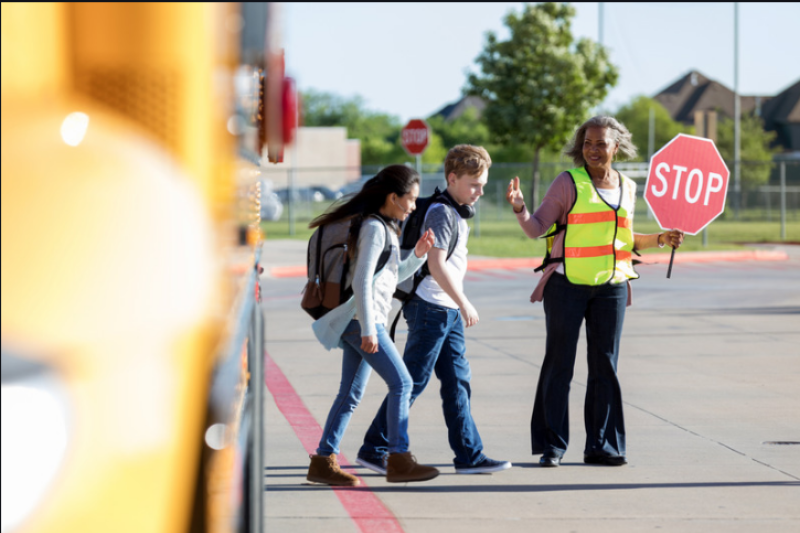
Situational awareness helps students and young adults navigate school, campus life, transportation, and greater independence with more confidence. Practical habits and hands-on training can strengthen threat recognition, decision-making, and personal safety skills.
Practical personal safety is built through awareness, preparation, and simple, repeatable skills rather than advanced martial arts techniques. Learning how to recognize potential risks, set boundaries, and respond confidently can help people stay safer in everyday situations.
Únase a nuestros programas de capacitación y mejore sus habilidades hoy mismo.

.svg)