

Emergencies rarely look like movie scenes. They happen in the middle of real life—on the way to work, during a school day, at a worship service, at the range, or in a crowded public space. A car jumps a curb. A tool slips at work. Someone collapses at a community event. Violence erupts where you least expect it.
With the right skills, mindset, and a few basic tools, ordinary civilians can provide “street-ready” trauma care that focuses on the most critical problems: severe bleeding, airway and breathing issues, and shock. It isn’t about treating everyday bumps and bruises; it’s about keeping a person alive long enough for paramedics to take over.
Training in tactical first aid helps you move from feeling helpless to acting with calm, purposeful confidence. Instead of standing on the sidelines hoping someone else knows what to do, you become a prepared responder for your family, coworkers, and community.
Guardian Training Center, based in San Leandro and serving the greater Bay Area, offers practical, hands-on tactical first aid courses built specifically for civilians, workplaces, and community groups. Our goal is simple: give you the tools and training you need to step up when it matters most.
Key Skills Taught in Tactical First Aid for Civilians
Scene Safety and Tactical Mindset for Civilians
The first rule of tactical first aid is simple: don’t become the second victim. At Guardian Training Center, we start by teaching civilians how to protect themselves so they can safely help others.
You’ll learn how to quickly read a scene—looking for hazards like moving traffic, electrical dangers, unstable structures, or an ongoing threat. Instructors walk you through identifying exits, cover, and concealment, and how to position yourself so you can both assist and stay out of harm’s way.
We also focus on decision-making: when it’s safe to step in immediately, when you should move the injured person, and when it’s smarter to reposition, wait, or change your approach.
Calling 911 and Communicating Under Stress
Even the best hands-on care needs backup. Tactical first aid training at GTC covers how to be the calm, clear voice on the phone when seconds count.
You’ll practice giving dispatchers precise information:
- Exact location and access points
- Number of injured people
- Types of injuries you see (heavy bleeding, difficulty breathing, unconsciousness, etc.)
We show you how to stay on the line, follow instructions, and coordinate with others on scene so EMS arrives with the information they need to act fast. You’ll also learn how to update responders as conditions change, helping bridge the gap between the initial 911 call and their arrival.
Bleeding Control and Tourniquet Use
Uncontrolled bleeding is one of the most time-critical emergencies. GTC’s tactical first aid courses put a strong emphasis on bleeding control and tourniquet skills.
You’ll get hands-on practice with:
- Direct pressure techniques and when they are enough on their own
- Proper placement and tightening of commercial tourniquets on arms and legs
- Wound packing for deep wounds using appropriate materials
- Securing dressings and checking for continued bleeding or re-bleeding
Airway Support and Positioning
Keeping the airway open is fundamental. GTC teaches civilians how to recognize when someone is struggling to maintain an open airway—gurgling sounds, choking, or an inability to respond or move normally.
Within layperson guidelines, you’ll learn:
- Simple, safe airway-opening maneuvers appropriate for non-medical responders
- Recovery position techniques that help protect breathing and reduce the risk of vomiting-related complications
- How to position someone in a way that supports airflow while still considering potential injuries
Supporting Breathing and Chest Injuries
Breathing problems and chest trauma can escalate quickly. In tactical first aid training, you’ll learn to spot signs of breathing distress and potential chest injuries—such as difficulty speaking in full sentences, obvious wounds, or labored, shallow breathing.
At a high level, instructors explain how chest injuries may be supported within the scope of your training (for example, covering certain wounds as taught in class), always focusing on simple, safe actions you can take while awaiting EMS.
You’ll also practice monitoring breathing over time and preparing to update EMS with changes in the patient’s condition, so paramedics can step in with advanced care as soon as they arrive.
Managing Shock and Preventing Further Harm
Shock is a silent, deadly threat in trauma situations. Guardian Training Center’s courses teach you to recognize early and late signs of shock, including pale or clammy skin, rapid pulse, confusion, or increasing unresponsiveness.
You’ll learn how to:
- Position the patient, when appropriate, to help support circulation
- Protect them from the environment—keeping them warm, dry, and as still as possible
- Use calm, steady communication to reassure and orient them, which can reduce stress and help stabilize their condition
Using Individual First Aid Kits (IFAKs) and Trauma Supplies
Having the right gear within reach can change everything. Tactical first aid courses at GTC walk you through what belongs in a civilian trauma kit, including:
- Tourniquets
- Hemostatic or standard gauze
- Pressure bandages
- Gloves and basic protective equipment
- Markers and simple tools to assist documentation or timing
You’ll learn how and where to stage kits—in vehicles, homes, workplaces, range bags, and response stations—so they’re accessible when needed.
Hands-On Scenario Practice
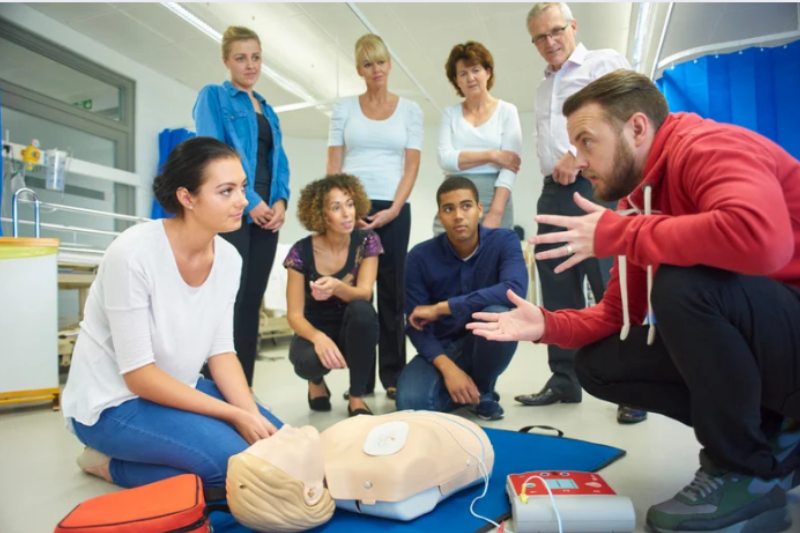
Reading about skills is one thing. Doing them under pressure is another. Guardian Training Center places a strong emphasis on realistic scenario training, including:
- Simulations using training mannequins and moulage (fake blood and wounds)
- Single-patient incidents and more complex multi-patient scenarios
- Time-based drills that require you to make decisions quickly and coordinate with others
Tactical First Aid Course Options at Guardian Training Center
Stop Life-Threatening Bleeding / “Stop the Bleed”-Style Classes
Guardian Training Center offers focused Stop Life-Threatening Bleeding style classes that hone in on one goal: control bleeding fast.
These sessions:
- Teach core bleeding control and tourniquet skills
- Run approximately 1.5 to 3 hours, making them ideal for workplaces, houses of worship, and community groups
- Emphasize simple, high-impact actions that civilians can perform with minimal equipment
Tactical First Aid for Civilians (Comprehensive Program)
For those who want a broader skill set, GTC’s Tactical First Aid for Civilians comprehensive program covers:
- Bleeding control
- Airway support and basic breathing considerations
- Shock recognition and management
- Scene safety, communication, and decision-making
Integrated Tactical First Aid + CPR/AED Options
Many groups want to be ready for both trauma and medical emergencies. Guardian Training Center offers integrated programs that combine:
- Tactical first aid (bleeding, airway, shock, scene safety)
- CPR and AED skills for cardiac emergencies
Who Should Take Tactical First Aid for Civilians?
Individuals and Families
Tactical first aid training is an invaluable investment for:
- Parents, grandparents, and caregivers who want to be ready for serious injuries at home or on the road
- Outdoor enthusiasts, commuters, and frequent travelers who spend more time on the road or in remote areas
- Responsible gun owners and range users who recognize that safe ownership includes being prepared to respond if something goes wrong
Workplace Teams and Safety Committees
Businesses across the Bay Area are increasingly prioritizing emergency readiness. Tactical first aid from GTC supports:
- Office staff, managers, and supervisors who may be first to respond in a medical crisis
- Industrial and warehouse workers whose environments carry higher risk for traumatic injuries
- Safety, HR, and risk management teams building or updating emergency response plans
Schools, Faith Communities, and Nonprofits
Community-centered organizations benefit tremendously from civilian trauma training. Ideal participants include:
- Teachers, administrators, and school support staff
- Safety and usher teams at churches, synagogues, mosques, and temples
- Youth leaders, community center staff, and nonprofit volunteers
Security and Community Response Volunteers
For those taking on protective roles—formally or informally—tactical first aid is essential. GTC’s training is well suited for:
- Volunteer security and neighborhood watch groups
- Event staff for concerts, fairs, festivals, and large gatherings
- Concealed carriers and others involved in protective roles
Be Ready to Save a Life – Train in Tactical First Aid Today
Tactical first aid isn’t just for medics, law enforcement, or military professionals—most of the time, civilians are first on scene when something goes wrong. A car crash outside your office, a serious accident at home, an incident at your place of worship or on the range—these are the moments when your actions can literally change the outcome.
Guardian Training Center makes it straightforward to take the next step. You can explore our tactical first aid courses, bring on-site training to your workplace, school, or house of worship, or work with our team to design a customized program that fits your environment, schedule, and risk profile.
Ready to bring tactical first aid training to your life or your organization?
Contact Guardian Training Center (GTC):
- Address: 2333 Verna Court, San Leandro, CA
- Phone: 510-626-4940
- Email: info@guardiantc.com
- Website: www.guardiantc.com

.png)
.svg)